

A review of Anthropology and the Racial Politics of Culture, Lee D. Baker, Duke University Press, 2010.
 Anthropology in America at the turn of the twentieth century presents us with a double paradox. Cultural anthropologists wanted to protect Indian traditions from the violent onslaught of settler colonialism, and yet prominent voices among Indian Americans accused them of complicity with the erasure of their beliefs and cultural practices. They thought the culture that African Americans inherited from exile and slavery was not worthy of preservation and should dissolve itself into the American mainstream, and yet African American intellectuals praised them for the recognition of cultural difference that their discipline allowed. As Lee Baker puts it, “African American intellectuals consistently appropriated anthropology to authenticate their culture, while Native American intellectuals consistently rejected anthropology to protect their culture.” What made cultural assimilation the preferred choice in one case, and cultural preservation the best option in the second? How did the twin concepts of race and culture shape the development of anthropology as an academic discipline? In Anthropology and the Racial Politics of Culture, Lee Baker introduces a distinction between in-the-way people, the so-called “Negroes” as black persons were designated and self-identified at the time, and out-of-the-way people, the Native Americans or “Indians” who were relegated to the margins of American society.
Kill the Indian and save the man
In the end of the nineteenth century, the federal government’s policy towards American Indians was one of assimilation, privatization of tribal lands, and the suppression of native cultures. “Kill the Indian and save the man” was the slogan of that era: proponents of assimilation barely veiled their desire for the complete destruction of Indian beliefs and cultural practices. A generation later, however, cultural preservation and self-determination became the watchwords of federal policies governing Native Americans. The Wheeler-Howard Act of 1934, better known as the Indian Reorganization Act or the “Indian New Deal,” was designed “to conserve and develop Indian lands and resources; to extend to Indians the right to form business and other organizations; to establish a credit system for Indians; to grant certain rights of home rule to Indians; to provide for vocational education for Indians; and for other purposes.” Anthropology played an important role in this shift in federal Indian policy. The study of American Indian languages, customs, and material culture was at the origin of the American School of Anthropology: in an indirect way, Native Americans played a prominent role in the history of the discipline. Franz Boas, the founding father of American anthropology, famously demonstrated that one cannot rank-order races and cultures along a single evolutionary line, thereby acknowledging Indian Nations as historically distinct cultures that should be preserved, valued, and otherwise acknowledged. And yet many educated, self-proclaimed Indian elites resisted the anthropological gaze, claiming for their folk equal treatment and access to US citizenry.
The essence and primary task of American anthropology was the study of American Indians. But knowledge production went along cultural destruction: indeed, the urge to inventory Indian languages and culture was predicated upon their rapid disappearance. The need to “salvage the savage” fueled very different projects: progressive white anthropologists and conservative Indian traditionalists were committed to conserving and celebrating indigenous practices, while progressive Indian activists and conservative Christian reformers believed in mutual progress, civilization, and integration into the mainstream. These two competing visions clashed during the so-called peyote hearings held at the US House of Representatives in the winter of 1918, when the temperance movement tried to make the use of peyote a federal offense. What and who was authentically Indian, and what and who was not, was the subject of intense debate. Zitkala-Ša, also known as Gertrude Bonnin, argued for temperance in the name of civilizational values and racial uplift. James Mooney, an ethnologist from the Smithsonian institution, supported the ceremonial and medicinal uses of peyote and attacked the credibility of his opponent by challenging her authenticity: Gertrude Bonnin, he argued, “claims to be a Sioux woman, but she is wearing a woman’s dress from a southern tribe.” Debates went on whether the use of peyote was or wasn’t a genuine Indian practice, and references were made to the “ghost-dance craze” that had been banned by the Bureau of Indian Affairs in 1883, leading eventually to the massacre at Wounded Knee in 1890. The irony is that Zitkala-Ša dedicated most of her adult life to advocating greater awareness of the cultural and tribal identity of Native Americans. During the 1920s she promoted a pan-Indian movement to unite all of America’s tribes in the cause of lobbying for citizenship rights. In 1924 the Indian Citizenship Act was passed, granting US citizenship rights to most indigenous peoples who did not already have it.
Salvaging the savage
James Mooney, Gertrude Bonnin’s opponent in the peyote hearings, was also accused of “fabricating the authentic or producing the real.” Working for the Bureau of American Ethnology, an institution originally created to collect intelligence on Indian tribes in order to better subdue them, he developed from an early age a keen interest in American Indian cultures, and chose to work among those he deemed the most traditional. As Lee Baker notes, he was unscrupulous in his methods of acquiring sacred books and artifacts among the Cherokees, taking advantage of their social disintegration and economic poverty and gaining the trust of powerful men and women under false pretenses. He became the “arbiter of real Indians,” authenticating what was genuine and what was imported such as the biblical scriptures that Cherokee shamans and priests mixed with their sacred formulas. “In some cases, Lee Baker writes, he fabricated images and sounds of people outright in order to shape them into what he perceived as genuine.” But in a time dominated by assimilationist policies and a genocidal drive, he was sincerely devoted to salvaging Indian tribes’ history, folklore, and religion. He was moved to a fury by the massacre at Wounded Knee, and wrote scathing remarks about the attending missionaries who did not even offer a prayer for the deceased. He pioneered intensive participatory fieldwork long before it became the norm in anthropology, and took the time to observe various Native American tribes in the way they lived on a daily basis. His monograph The Ghost-Dance Religion and the Sioux Outbreak of 1890 was the first full-scale study of a nativist religion arising out of a cultural crisis. Mooney’s history and folklore remain definitive and vital to the Cherokee Nation today, and the stories and formulas he collected in his monographs are regularly republished.
“For every ten articles in the anthropological literature addressing American Indians, there was one discussing American Negroes or Africans.” Anthropologists were simply not interested in describing the culture of the many immigrant and black people who stood “in the way” of achieving a “more perfect union.” That job went to sociologists committed to the study of assimilation and race relations. According to Robert Park, one of the leading figures of the Chicago School of sociology, “The chief obstacle to assimilation of the Negro and the Oriental are not mental but physical traits (…) The trouble is not with the Japanese mind but with the Japanese skin.” In other words, what prevented integration and assimilation into the melting pot was not the specific culture of ethnic minorities, but racial prejudice and discrimination coming from the white Anglo-Saxon Protestant elite. The sociologists who studied race relations shared with the anthropologists the postulate that races were never inherently superior or inferior to each other. But each discipline embraced different ways of describing culture and behavior. Boas and his students at Columbia University built anthropology on the inventory of American Indian languages, customs, and material culture. Park and other Chicago sociologists focused on urban studies and the assimilation of immigrant minorities. For Park, there was no distinct African American culture: “While it is true that certain survivals of African culture and language are found among our American negroes, their culture is essentially that of the uneducated classes of people among whom they live, and their language is on the whole identical with that of their neighbors.” Progressive sociologists therefore advocated a policy of racial advancement focused on eliminating substandard housing, poverty, and racial segregation. But they also explained deviant behavior such as crime or drug use as the expression of a pathological subculture evolving from the conditions of urban ghettos.
Negro folklore
As anthropologists concentrated on Native Americans and sociologists dismissed the existence of a distinctive culture among African Americans, the task to collect stories, songs, and customs of the former black slaves fell on folklorists and educators. In the beginning of the twentieth century, the American Folk-Lore Society devoted several articles in its journal to African and African American folk traditions. The rationale for collecting and publicizing “Negro folklore” changed with the passing of time. In the 1890s, the first folklorists and black educators took to recording cultural practices of rural blacks in order to show that they could escape their backward condition and become enlightened citizens. Thirty years later, the New Negro intellectuals who led the Harlem Renaissance used folklore to embrace their African heritage and preserve their cultural roots. The same notebook of folklore with stories inspired by the African oral tradition was “first used to articulate the uplift project, and two decades later it was used to bolster the heritage project.” The schools at the origin of folklore collection followed the Hampton-Tuskegee model of educating African Americans to build their lives from basic skills. Drawing upon his experiences with mission schools in Hawaii, General Samuel Armstrong, the founder of the Hampton Normal and Agricultural Institute in 1868, used folklore as way to demonstrate how basic literacy and the learning of industrial skills could succeed at civilizing formerly enslaved people. Between 1878 and 1893, Hampton also experimented with Indian education, again employing the notion that industrial education helped to civilize the savages. Other black colleges, such as the Tuskegee Institute founded in 1881 by Hampton graduate Booker T. Washington, used the same approach in their program of racial uplift. Forty years later, the leaders of the New Negro movement turned to the anthropology developed by Franz Boas and his students to authenticate their culture and claim racial equality.
Anthropology emerged in the late nineteenth century as the science of race and the study of primitive cultures. How did anthropologists make the transition from the study of craniums to the theory of culture? What was at the origin of the three partitions of anthropology—the study of prehistorical remains, the comparison of physiological differences between races, and the social anthropology of primitive cultures? Lee Baker answers these questions by paralleling the life and work of Daniel Brinton, the first university professor of anthropology and a public intellectual of considerable influence at the end of the nineteenth century, and Franz Boas, who articulated a vision for anthropology based on cultural difference and racial equality. Brinton used the science of race to bolster the relevance of anthropology during distinguished career that began with antiquarian research in the 1880s and concluded with research that addressed relevant social issues and public problems in the 1890s. Like many people from his generation, he viewed racial difference in terms of inferiority and superiority, and placed the different human races in a hierarchy that culminated with the white race. Franz Boas, who is generally credited for debunking such racialist research in anthropology, did not attack these ideas right from the start. As a Jewish immigrant from Germany, his position within academia was insecure and he developed his original ideas only after he and anthropology were securely ensconced at Columbia University. But the assumptions of physical anthropology were directly challenged in a study Boas conducted between 1908 and 1910, published as Changes in Bodily Form of Descendants of Immigrants. Measuring the craniums of children, he was able to demonstrate that the environment played a significant role in determining physical attributes like head size, which were so often used to demarcate racial difference. His initial study of schoolchildren in Worcester, Massachusetts, which served as a foundation for his seminal work in physical anthropology, was almost derailed when parents and the local press expressed concern over the experiments that were inflicted on their children.
The Boas conspiracy
For Boas, this was the first in a long line of public assaults on his research and writings on race and culture. Franz Boas employed the skills of scientific observation to argue that all societies are part of a single, undivided humanity guided by circumstance and history, but none superior to another. We also owe to him the demonstration that cultures have different meanings and that anthropology needs not limit itself to only one interpretation. What mattered to him was the accumulation of facts and the inventory of differences. A successful ethnography should not focus on only one culture in order to patiently uncover its identity: the first and only goal of the science of man is the interpretation of differences. This analytical focus on variation makes him a precursor of structuralism, and his conception of an interpretive science announces later developments by Clifford Geertz. But for segments of the American public, Boas is not remembered for his scholarly contribution to the discipline of anthropology. Instead, he is considered as the initiator of “a vast left-wing conspiracy to destroy the idea that whites were racially superior to blacks and to impose a moral and cultural relativism that has forever crippled American civilization, and he did it with fraudulent data.” Lee Baker tracks the genealogy of this so-called “Boas conspiracy” from the Internet forums of white supremacists and KKK supporters to the anti-Semitic rant of the leader of the American Nazi Party interviewed by Alex Haley in 1966 and to the obscure texts of fringe intellectuals advocating “race realism” and the debunking of the “racial egalitarian dogma.” These unsavory readings remind us that anthropology has always been appropriated outside of the academy and has fueled projects that can be emancipatory, but also unashamedly racist and delusional.
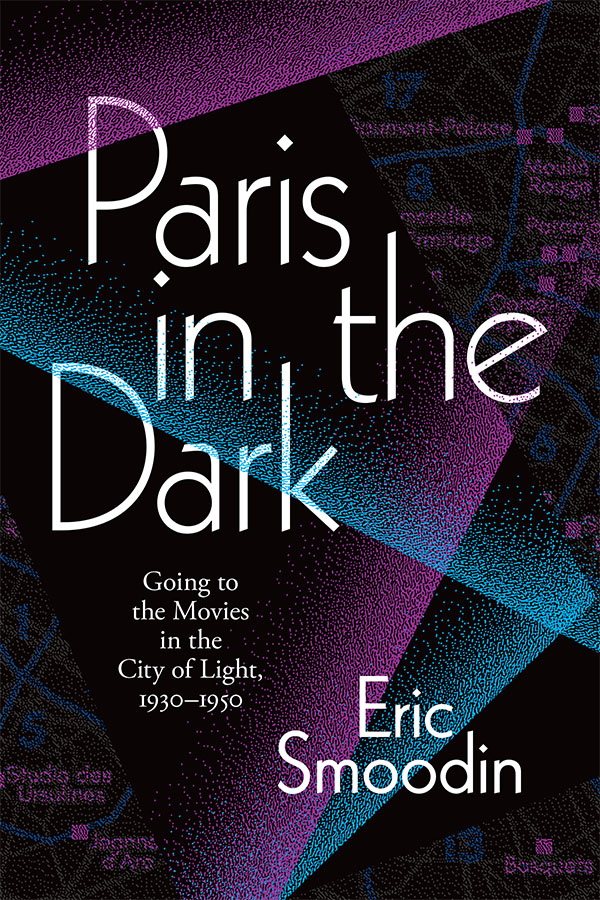 Paris in the Dark made me remember going to the movies in Paris as a child and a teenager. Of course, I did not experience firsthand the period covered by the book, from the 1930s to around 1950. My formative years took place in the late 1970s and in the 1980s, and a lot of change took place between the period described in the book and the times I remember from my childhood. But Paris will always be Paris, and some aspects of the cinema culture that Eric Smoodin describes did sound familiar. The same time distance lies between 1980 and today and between 1980 and the 1930-1950 period, in the interval between the disappearance of silent movies and the beginning of color films. Maybe my childhood years were even closer from the era of black-and-white movies than they are from my present self. Time has been running faster lately: we now have the Internet and Netflix, while I am speaking of a period before DVDs and VHS. Time did not stand still between 1940 and 1980, but there was more continuity between these two dates for French moviegoers and cinema aficionados than between 1980 and now. Also I tend to look as past history from the same perspective that Eric Smoodin describes in his introduction and concluding chapter. He, too, spent time in Paris between 1980 and 1981, as a graduate student who went to the movies as often as he could. And he now looks at the 1930s and 1940s with eyeglasses colored by this youthful experience. We broadly belong to the same generation. And we both feel nostalgic for a time when “going to the movies” was something more than spending an evening out: it was a lived experience that shaped your identity and culture.
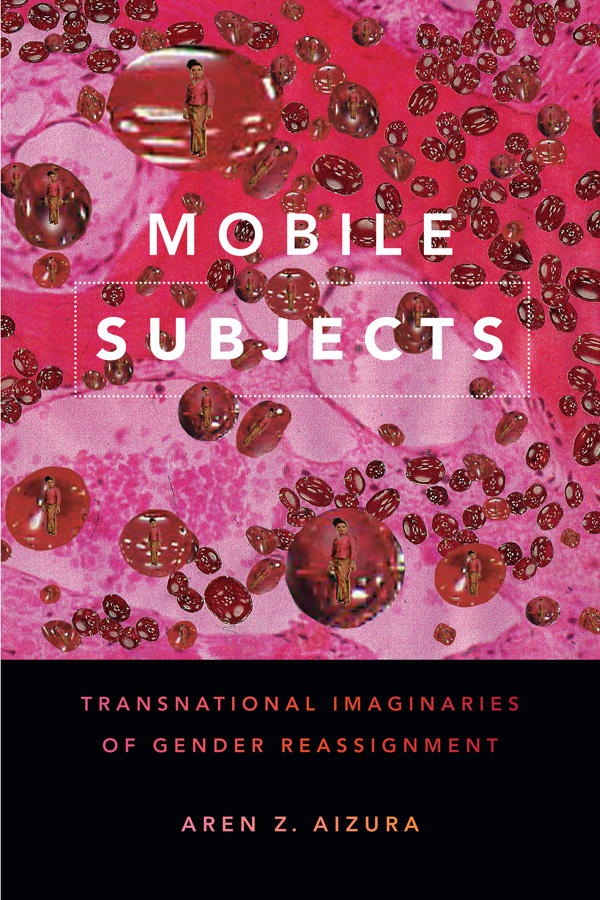 Imagine you want to go through a “sex change” or a gender reassignment. People identify you as a man, but you want to be identified as a woman, or vice versa. You may also plan to undergo medical treatment and take hormones or get surgery. What should you and your colleagues do at the workplace to manage this transition? According to the British government that published a guide for employers regarding gender reassignment, transsexual people should take a few days or weeks off at the point of change and return in their new name and gender role. Time off between roles is assumed to give the trans person as well as coworkers time to adjust to the new gender identity. It is usually announced that the trans person will go on a trip, which may be real or figurative; and this journey-out-and-return-home forms the transition narrative that will shape people’s expectations and reactions to the change in gender identity. What happens during this trip needs not be detailed. The journey abroad opens a space of gender indeterminacy that makes transsexuality intelligible within a gender binary. This transition narrative was pioneered by Christine Jorgensen who, in 1953, went to Denmark to get surgery and returned to the United States as a celebrity. As the (undoubtedly sexist) quip had it, Jorgensen “went abroad and came back a broad.”
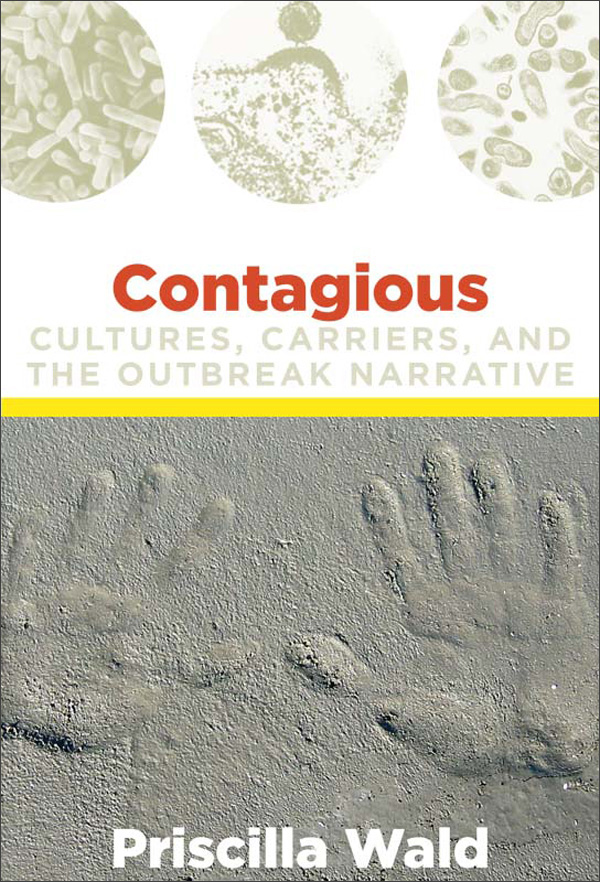 We think containing the spread of infectious diseases is all about science. In fact, more than we care to admit, our perception of disease contagion is shaped by fictions: blockbuster movies, popular novels, newspaper headlines, and magazine articles. These fictions frame our understanding of emerging viruses and the response we give to global health crises. Call it the outbreak narrative. It follows a formulaic plot that goes through roughly the same steps of emergence in nature or in labs, human infection, transnational contagion, widespread prevalence, medical identification of the virus, epidemiological containment, and final eradication. It features familiar characters: the healthy human carrier, the superspreader, the virus detective, the microbe hunter. It summons mythological figures or supervillains from past history: the poisonous Typhoid Mary from the early twentieth century, the elusive Patient Zero from the HIV/AIDS crisis. Through these fictions, new terms and metaphors have entered our vocabulary: immunodeficiency, false negative, reproductive rate, incubation period, herd immunity, “flattening the curve.” We don’t know the science behind the concepts, but we easily get the picture. Outbreak narratives have consequences: they shape the reaction to the health crisis by leaders and the public, they affect survival rates and contagion routes, they promote or mitigate the stigmatizing of individuals and groups, and they change moral and political economies. It is therefore important to understand the appeal and persistence of the outbreak narrative in order to design more effective and humane responses to the global health crises that lie ahead of us.
 A large literature exists on United States intervention in Latin America. Much has been written about the CIA’s role in fomenting coups, influencing election results, and plotting to assassinate popular figures. Well-documented cases of abuse include the overthrow of the popularly elected president of Guatemala in 1954 and the attempts to assassinate Rafael Trujillo in the Dominican Republic and Fidel Castro in Cuba. Books about the CIA make for compelling stories and sensationalist titles: The Ghosts of Langley, The Devil’s Chessboard, Killing Hope, Legacy of Ashes, Deadly Deceits. They are usually written from the perspective of the agency’s headquarters—which moved to Langley, Virginia, only after 1961—, and they concentrate on the CIA leadership or on the wider foreign policy community in Washington—The Power Elite, The Wise Men, The Georgetown Set. Rarely do they reflect the perspective of agents in the field: the station chiefs, the case officers, the special agents charged with gathering intelligence and monitoring operations on the ground. Such narratives require a more fine-grained approach that is less spectacular than the journalistic accounts of grand spying schemes but more true to the everyday work of intelligence officers based in US diplomatic representations abroad. Fortunately, sources are available. There is a trove of declassified intelligence documents made available to the public through the online CREST database under the 25-year program of automatic declassification. In The CIA in Ecuador, Marc Becker exploits this archive to document the history of the Communist Party of Ecuador as seen from the surveillance and reporting activities of the CIA station in Quito during the first decade of the Cold War.
 Capacity building is the holy grail of development cooperation. It refers to the process by which individuals and organizations as well as nations obtain, improve, and retain the skills, knowledge, tools, equipment, and other resources needed to achieve development. Like a scaffolding, official development assistance is only a temporary fixture; it pursues the goal of making itself irrelevant. The partner country, it insists, needs to be placed in the driver’s seat and implement its domestically-designed policies on its own terms. Once capacity is built and the development infrastructure is in place, technical assistance is no longer needed. National programs, funded by fiscal resources and private capital, can pursue the task of development and pick up from where foreign experts and ODA projects left off. And yet, in most cases, building capacity proves elusive. The landscape of development cooperation is filled with failed projects, broken-down equipment, useless consultant reports, and empty promises. Developing countries are playing catch-up with an ever receding target. As local experts master skills and technologies are transferred, new technologies emerge and disrupt existing practices. Creative destruction wreaks havoc fixed capacity and accumulated capital. Development can even be destructive and nefarious. The ground on which the book opens, the commune of Ngagne Diaw near Senegal’s capital city Dakar, is made toxic by the poisonous effluents of used lead-acid car batteries that inhabitants process to recycle heavy metals and scrape a living. Other locations in rural areas are contaminated with stockpiles of pesticides that have leaked into soil and water ecosystems.
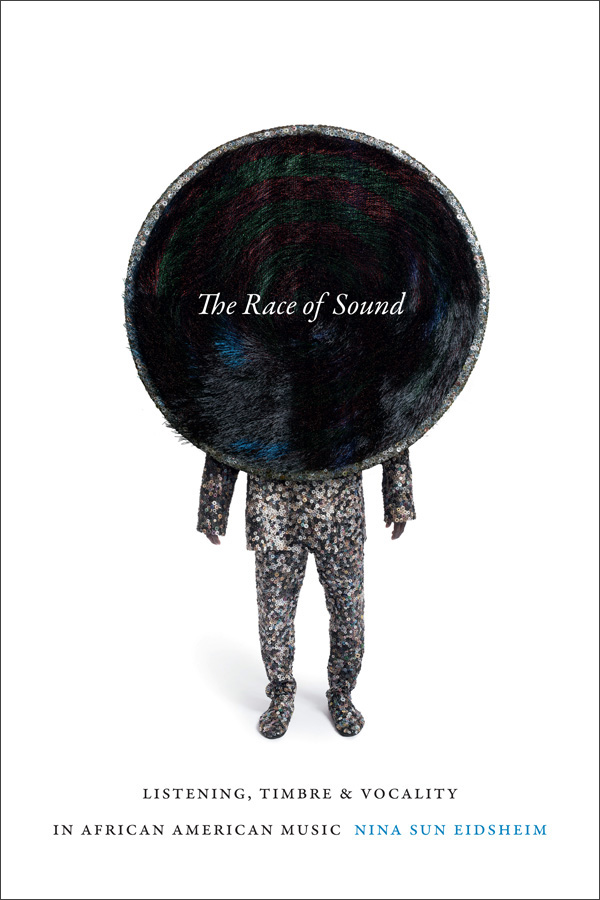 I close my eyes and I can hear Billie Holiday’s black voice filling the room. Her voice, described as “a unique blend of vulnerability, innocence, and sexuality,” speaks of a life marked by abandonment, drug abuse, romantic turmoil, and premature death. Hearing Billie Holiday sing the blues also summons her black ancestors’ history of enslavement, hard labor, racial segregation, and disfranchisement. I can imagine the black singer, cigarette in hand, eyes closed, bearing the sorrow of shattered hopes and broken dreams. But wait. I open my eyes and what I see on the screen is a seven-year-old Norwegian named Angelina Jordan performing on the variety show Norway’s Got Talent. Her imitation of Billie Holiday is almost perfect: pitch, rhythm, intonation, and vocal range correspond to her model down to the smallest detail. Here is a combination of a child’s frail body and the sound of an iconic singer that we usually hear through the narrative of her unfortunate life and perceived ethnicity. Impersonations of African-American singers can be problematic: as Nina Eidsheim notes, they bring to mind a past history of blackface minstrelsy and racist exploitation, and a present still marked by cultural misappropriation and racial stereotypes. But her point is elsewhere: by assigning a race or ethnicity to the sound of a voice, we commit a common fallacy that helps reproduce and essentialize the notion of race. We hear race where, in fact, it isn’t.
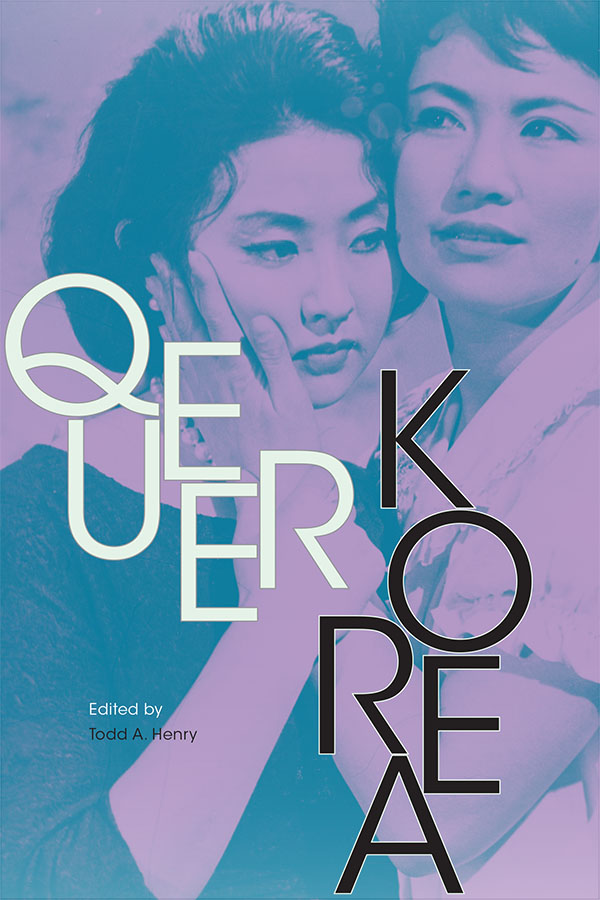 On March 3, 2021, Byun Hui-su, South Korea’s first transgender soldier who was discharged from the military the year before for having gender reassignment surgery, was found dead in her home. Her apparent suicide drew media attention to transphobia and homophobia in the army and in South Korean society at large. According to Todd Henry, who edited the volume Queer Korea published by Duke University Press in 2020, “LGBTI South Koreans face innumerable obstacles in a society in which homophobia, transphobia, toxic masculinity, misogyny, and other marginalizing pressures cause an alarmingly high number of queers (and other alienated subjects) to commit suicide or inflict self-harm.” Recently people and organizations claiming LGBT identity and rights have gained increased visibility. The city of Seoul has had a Gay Pride parade since 2000, and in 2014 its mayor Park Won-soon suggested that South Korea become the first country to legalize gay marriage—but conservative politicians as well as some so-called progressives blocked the move, and the mayor committed suicide linked to a #metoo scandal in 2020. Short of same-sex unions, most laws and judicial decisions protecting LGBT rights are already on the books or in jurisprudence, and society has moved towards a more tolerant attitude regarding the issue. Nonetheless, gay and lesbian Koreans still face numerous difficulties at home and work, and many prefer not to reveal their sexual orientation to family, friends or co-workers. Opposition to LGBT rights comes mostly from Christian sectors of the country, especially Protestants, who regularly stage counter-protests to pride parades, carrying signs urging LGBT people to “repent from their sins.” In these conditions, some sexually non-normative subjects eschew visibility and remain closeted, or even give up sexuality and retreat from same-sex communities as a survival strategy.
 Nowadays young PhDs majoring in the social sciences and the humanities often list an interest in sound studies when they enter the academic job market. Likewise, digital humanities is a booming field encompassing a wide range of theories and disciplines bound together by an interest in digital tools and technologies. There is a premium in listing these categories as fields of interest in one’s CV, even though the young scholar’s specialization may lie in more traditional disciplines such as English literature, modern history, or American studies. This is what economists call job market signaling: by associating themselves with “hot” topics, potential new hires make themselves in hot demand and differentiate their profile from more standard competitors. And yet, digital humanities and sonic materials have so far had a limited impact on social science scholarship. The humanities remain text-centric and bound by technologies inherited from the printing press and the paper format. The reproduction of sound is ubiquitous, and digital technologies are everywhere but in the content of academic journals and university syllabuses. Student evaluation is still mostly based on silent modes of learning such as final essays, midterm exams, and reading responses. Sonic modes of participation such as asking questions, providing oral feedback, and exchanging ideas with peers during class discussions are weighted with a limited coefficient compared to other evaluation metrics based on the written text.
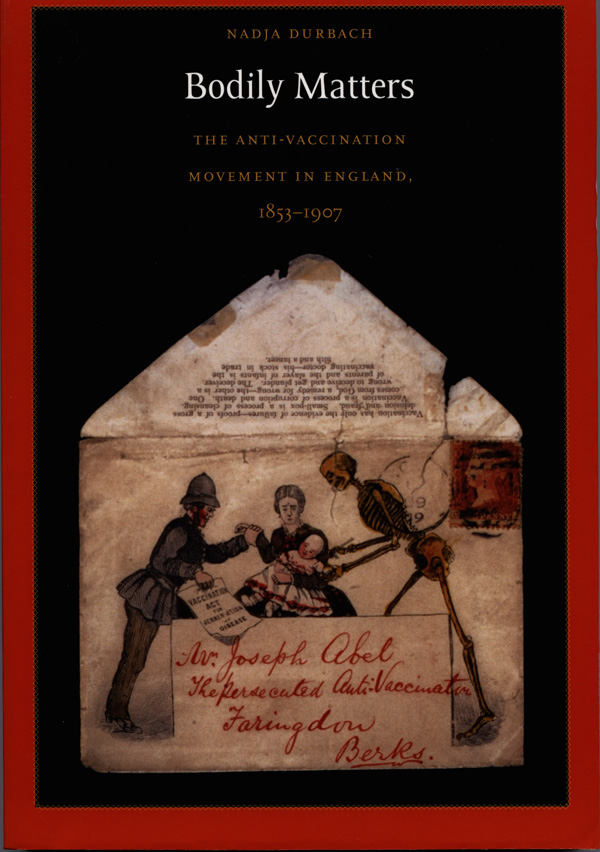 In 1980, smallpox, also known as variola, became the only human infectious disease ever to be completely eradicated. Smallpox had plagued humanity since times immemorial. It is believed to have appeared around 10,000 BC, at the time of the first agricultural settlements. Stains of smallpox were found in Egyptian mummies, in ancient Chinese tombs, and among the Roman legions. Long before germ theory was developed and bacteria or viruses could be observed, humanity was already familiar with ways to prevent the disease and to produce a remedy. The technique of variolation, or exposing patients to the disease so that they develop immunity, was already known to the Chinese in the fifteenth century and to India, the Ottoman Empire, and Europe in the eighteenth century. In 1796, Edward Jenner developed the first vaccine by noticing that milkmaids who had gotten cowpox never contracted smallpox. Calves or children produced the cowpox lymph that was then inoculated to patients to vaccinate them from smallpox. Vaccination became widely accepted and gradually replaced the practice of variolation. By the end of the nineteenth century, Europeans vaccinated most of their children and they brought the technique to the colonies, where it was nonetheless slow to take hold. In 1959, the World Health Organization initiated a plan to rid the world of smallpox. The concept of global health emerged from that enterprise and, as a result of these efforts, the World Health Assembly declared smallpox eradicated in 1980 and recommended that all countries cease routine smallpox vaccination.
